Experimental pageMermaid SVG lab.
This page compares the current runtime Mermaid path with a prerendered SVG version of the same diagram. The goal is simple: make the tradeoff visible before we decide whether to move diagram rendering into the build pipeline.
This is what the blog does today. The markdown fence reaches the browser, Mermaid parses it, and the diagram is drawn on the client.
Strength: flexible and easy to author because no extra build step is needed.
Cost: more client JavaScript, a render step in the browser, and potential layout shift before the SVG appears.
This version is already rendered ahead of time. The page only has to load an SVG asset, so there is no diagram parsing work left for the reader’s browser.
Strength: zero client-side diagram rendering, more predictable layout, and easier indexing outside JS-heavy contexts.
Cost: we need a preprocessing step that extracts Mermaid fences and regenerates SVGs during build.
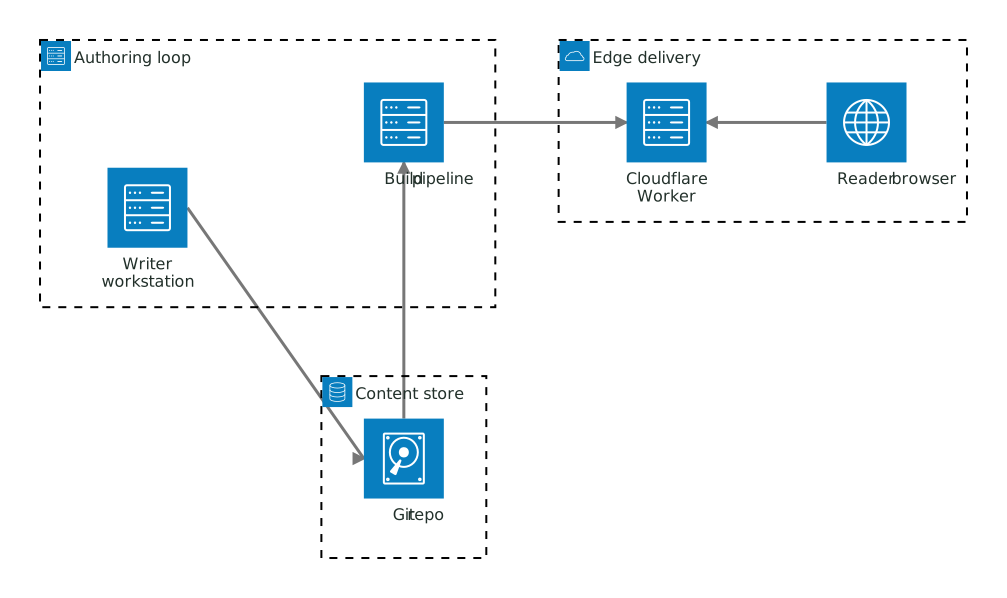
The bigger win shows up on heavier diagrams. This architecture example is the kind of chart that benefits most from being rendered before the page reaches the browser.
Why this matters: advanced Mermaid types pull in more code and do more layout work, so prerendering becomes more attractive as diagrams get richer.
Authoring can stay the same: write Mermaid fences in markdown exactly as now.
Build can do the hard part: convert fences to SVG assets with Mermaid CLI or its Node API, then inject figure markup into rendered posts.
UX gets simpler: the reader downloads a finished graphic instead of a renderer.
Recommendation
Keep runtime Mermaid for fast iteration while we experiment, but move posts toward build-time SVG output once the authoring format feels stable. This page is the proof-of-concept surface for that transition.